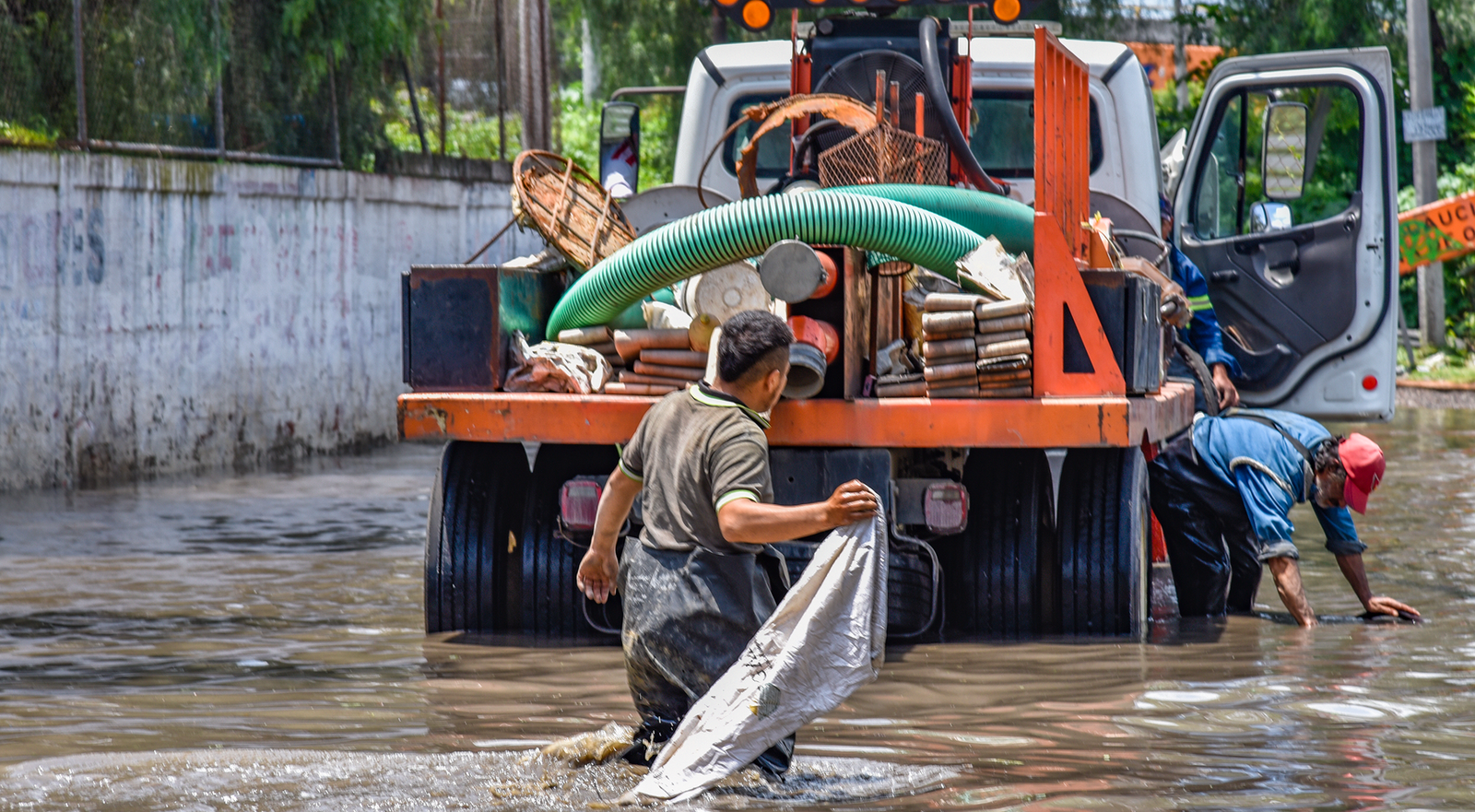
Emergency water removal
Get the water out before you try to dry it
Quick answer
Water extraction in Oakland is the step where a crew pulls liquid water out of floors, carpet, basements and crawl spaces with extractors and pumps, before any drying starts. Removing water as a liquid is far faster and cheaper than evaporating it with fans. Call (925) 298-0440 any time and we connect you with an independent, licensed restoration company that serves your part of Oakland.
Every hour standing water sits, it soaks deeper into carpet pad, subfloor, drywall and framing, and the drying job grows.
This page is part of our wider guide to water damage restoration in Oakland.
Key takeaways
- Extraction comes first. Fans and dehumidifiers are for the water you cannot pull out as liquid.
- Truck-mounted units, portable extractors, submersible pumps and trash pumps each have a job.
- Weighted extraction squeezes water out of carpet pad, and sometimes saves it.
- Do not walk into standing water until the power to that area is off.
Standing water right now? A local extraction crew is one call away, 24/7.
Call (925) 298-0440When to call
Signs you need emergency water removal in Oakland
These signs mean the water is beyond a mop and needs pumps or extractors.
- Water you can see poolingAny standing water on a floor, even a quarter inch, has already started moving into the layers below.
- Carpet squishes underfootIf pressing the carpet pushes water up, the pad is saturated and a shop vac will not reach it.
- Water in a basement or garageLow spaces collect water from storms, water heaters and drains, and often need a pump, not a vacuum.
- Water under a raised floorPuddles in a crawl space sit against joists, sill plates and ducts where nobody sees them.
- A leak from the unit aboveWater coming through a ceiling has usually spread across the floor above and into the wall cavities too.
- Water near outlets or appliancesWater touching cords, a furnace, a water heater or a panel is a safety problem first and a cleanup second.
The physics of drying
Why extraction beats evaporation
Water leaves a building two ways: lifted out as a liquid, or turned into vapor by air movers and pulled from the air by dehumidifiers. Lifting it out is the cheap way.
A restoration trade article from R&R magazine puts it simply: the energy spent removing the liquid is far less than the energy needed to evaporate it and control the vapor. It also notes that extraction is judged by how little water is left behind, not by how many gallons go into the tank.
That is why a careful crew makes several slow passes and checks the subfloor with a moisture meter before setting up drying equipment.
Tools of the trade
Truck-mounted, portable or pump: which tool fits
The right tool depends on how much water there is, what is in it and how far the hose has to reach.
| Tool | Best for | Deep water | Carpet pad | Oakland fit |
|---|---|---|---|---|
| Truck-mounted extractor | Large carpeted areas, whole floors, heavy volume | Fair | Strong | Houses with driveway or curb access. Hard in upper-floor apartments and steep hill lots where hoses run far. |
| Portable electric extractor | Apartments, condos, stairs, rooms far from the street | Fair | Strong | Common choice for Downtown, Uptown and lakeside buildings where a truck cannot park close. |
| Submersible pump | Inches to feet of clear water in basements, garages, crawl spaces | Strong | No | First tool into a flooded garage or basement. Leaves a thin layer for extractors to finish. |
| Trash pump | Water with mud, leaves, gravel and debris | Strong | No | Storm water carrying silt into a flatland garage. Gas models must run outside. |
| Weighted extraction tool | Squeezing water out of saturated carpet and pad | No | Best | Used after a supply line or water heater leak when the pad might be saved. |
Ratings are general comparisons for typical residential jobs, not lab measurements. The crew picks tools on site after checking the water category and the layout.
Water pump out service
Pump-outs for basements, garages and crawl spaces
When water is too deep for an extractor wand, the crew pumps it first, then extractors take the last layer.
Basements
A submersible pump sits at the lowest point and pushes water out through a discharge hose to a safe drain point. The crew checks the water heater, furnace and panel before anyone wades in. Our basement flood cleanup page covers the full basement process.
Garages
Garages fill fast because they sit low and have wide doors that let street water in. Storm water here often carries silt and leaves, so a trash pump that tolerates debris is the usual first tool.
Crawl spaces
Crawl space pump-outs are slow, tight work. A small pump goes in the low spot, the vapor barrier may need to come out, and then air movers dry the framing. See crawl space drying for what comes next.
Gas pumps belong outside. OSHA warns that gasoline and diesel generators, pumps and pressure washers release carbon monoxide, a deadly gas you cannot see or smell, and must never run inside a closed space. That includes basements, garages and crawl space openings.
Answered 24/7
Water on the floor? Start extraction now.
The sooner liquid water is out, the shorter and smaller the drying job. One free call connects you with an independent, licensed restoration company near you.
Carpet and pad
When the carpet pad has to come out
Carpet pad is a sponge. A regular wand pulls water from carpet fibers but leaves most of what sits in the pad. With a weighted extraction tool, the technician stands on a heavy plate or roller that presses the carpet and pad together while a vacuum pulls the water up.
Saving the pad in place only makes sense in narrow conditions. The R&R magazine article lists them: Category 1 clean water only, no damage to surfaces underneath, enough dehumidifier capacity, and the right deep extraction tools on site.
The same article notes that bacteria can grow fast enough to shift a clean water loss to Category 2 in less than a day. So the pad usually goes when:
- The water was gray or black. Washing machine, toilet or sewage water means the pad is thrown away.
- It sat too long. Clean water left for a day or more may no longer be clean.
- The subfloor needs to be checked. Pulling the pad lets the crew dry and test the wood underneath.
Flooring decisions after extraction are covered on our carpet and flooring restoration page.
Before: the carpet looks only damp, but the pad below is full of water.
After: pressure plus vacuum squeezes water out of the pad so drying takes far less time.
Ask the crew which water category they logged and what the subfloor read after extraction. Those notes help your claim.
Standing water removal safety
Before anyone steps into standing water
Standing water hides two dangers: electricity and gas. OSHA and the CDC both say that if water has been anywhere near electrical circuits, the power should be turned off at the main breaker or fuse panel. The CDC adds that you should never switch power on or off, or use an electric tool, while standing in water.
Gas appliances are the other risk. Furnaces and water heaters often sit in basements and garages, right where water collects. If you smell gas, PG&E’s guidance is to leave the area, call 911 and then call PG&E at 1-800-743-5000, and never flip electric switches. Any gas appliance that sat in water should be checked by a qualified technician before it is used again.
- Stay out if power is on. Water and live circuits do not mix, even at a few inches deep.
- Shut off the water source. Use the main valve, or the fixture valve if the leak is at a toilet or sink.
- Kill power from dry ground only. Use the breaker for the wet area, or the main.
- Check for gas smell. If you smell it, leave first and call from outside.
- Take photos. Capture the water level before anything is pumped out.
How it runs
How good extraction shortens drying
The R&R magazine article says proper extraction can cut drying time by days. Here is how a typical emergency water removal visit unfolds.
- On arrivalMake it safe
Power and gas checked, source stopped, water category logged, photos taken.
- First hoursPump and extract
Pumps move bulk water, then extractors and weighted tools make slow passes.
- Same visitMeasure and decide
Moisture meters map what is still wet. Pad, baseboards or drywall come out if needed.
- Following daysDry and verify
Air movers and dehumidifiers finish the job, with readings logged daily.
How long drying takes after extraction depends on the materials. See how long it takes to dry water damage.
Water extraction in Oakland
Oakland buildings that make extraction harder
About two thirds of Oakland is flat plain and one third rises into the hills. Each puts water in different places.
Raised floors and crawl spaces
Many older Oakland homes sit on raised foundations, including plenty of early 1900s bungalows in neighborhoods like Glenview and Temescal. A burst pipe or water heater leak drains through the floor into the crawl space, so the job is two jobs: extract the room above, then pump and dry underneath.
Garages under hillside homes
Hillside homes often have a garage or lower room built into the slope. In hill areas like Montclair, runoff from uphill lots can push water into those lower spaces during heavy storms. Steep driveways often mean portable gear, not a truck at the door.
Flatland storm drain backups
Oakland’s Sea Level Rise Roadmap names low-lying Jack London Square and Grand and Lakeshore Avenues at Lake Merritt as spots where rain and high tide together already cause flooding. When storm drains cannot empty, water backs up into streets, garages and ground floors.
Multi-unit buildings
Adams Point and Uptown are packed with apartment buildings. One overflowing tub can soak three units below. Crews extract each unit and keep separate records for owners, tenants and insurers.
Cost factors
What changes the cost of water removal
We do not quote prices. The restoration company gives a written estimate after seeing the job. These factors move the number:
- Volume and depth. A soaked hallway is a different job from a basement with a foot of water.
- Water category. Gray and black water need protective gear, disposal and disinfection.
- Access. Upper floors, tight crawl spaces and long hose runs take more time and gear.
- Debris. Silt and leaves mean trash pumps and more cleanup.
- Materials removed. Pad, baseboards and lower drywall add labor and disposal.
Do
- Shut off water and power to the wet area from a dry spot.
- Photograph the water line before it is pumped out.
- Move rugs, electronics and papers off wet floors.
- Ask the crew for moisture readings after extraction.
Don’t
- Wade in while the power is still on.
- Run a gas pump or generator indoors or in a garage.
- Assume carpet is dry because the top feels dry.
- Touch outdoor or drain water without gloves and boots.
Related help
What usually comes after extraction
Extraction is the start of a bigger job. If the water came from a storm or creek, our flood cleanup page explains how floodwater is handled. If it came up from a toilet, tub or floor drain, it is a sewage job, so read about sewage cleanup and black water removal before anyone starts.
Moisture detection finds hidden water. Wet ceilings are covered under ceiling and drywall repair, and lingering smells under odor removal and sanitization.
Nearby areas
Extraction calls look different across these neighborhoods:
Common questions
Water extraction FAQs
What is water extraction?
Water extraction is removing liquid water from a building with pumps, extractors and vacuums. It is the first step of mitigation, done before air movers and dehumidifiers dry what is left.
How long does emergency water removal take?
Extraction itself usually takes hours, not days. A wet room may take an hour or two, while a flooded basement or several apartment units can take most of a day. Drying afterward takes longer and depends on the materials.
Can I use a shop vac instead?
A shop vac works for small spills on hard floors. It cannot pull much water out of carpet pad, so soaked carpet and basements need professional extractors and pumps.
Will my carpet be saved?
Sometimes. Carpet wet with clean water and extracted quickly with a weighted tool can often be dried in place. Carpet touched by gray water, sewage or outdoor floodwater, or left wet too long, is usually thrown away along with the pad.
What is the difference between a submersible pump and a trash pump?
A submersible pump sits in the water and is best for fairly clear water in basements and crawl spaces. A trash pump is built to pass mud, leaves and small debris, which suits storm water. Gas-powered pumps must run outside because of carbon monoxide.
Is it safe to walk in standing water in my house?
Not until the power to that area is off. Wear boots and gloves, and stay out completely if you smell gas.
Does insurance cover water extraction?
Extraction is usually part of the mitigation bill on a covered claim, such as a sudden pipe burst. Outside flooding usually needs flood insurance, and sewer backups usually need a backup endorsement. This is general information, not insurance advice, so check your policy.
Do you do the extraction yourselves?
No. We are a free referral service. We connect Oakland property owners with independent, licensed restoration companies that have extraction equipment. You can check any contractor’s license on the CSLB website.
Answered 24/7
Standing water in Oakland? Call now.
Every hour water sits, it soaks deeper. One call connects you with an independent, licensed restoration company with pumps and extractors.
Water Damage Restoration Oakland CA is a free referral service. We connect Oakland property owners with independent, licensed restoration companies. We do not perform restoration work ourselves.
Sources
- R&R magazine, Extraction: The Overlooked Key to Faster, More Effective Restorative Drying
- OSHA, Flood Preparedness and Response
- CDC, Guidelines for Cleaning Safely After a Disaster
- PG&E, Gas Safety
- City of Oakland, Preliminary Sea Level Rise Roadmap
- EPA, A Brief Guide to Mold, Moisture and Your Home
- CSLB, Check a License